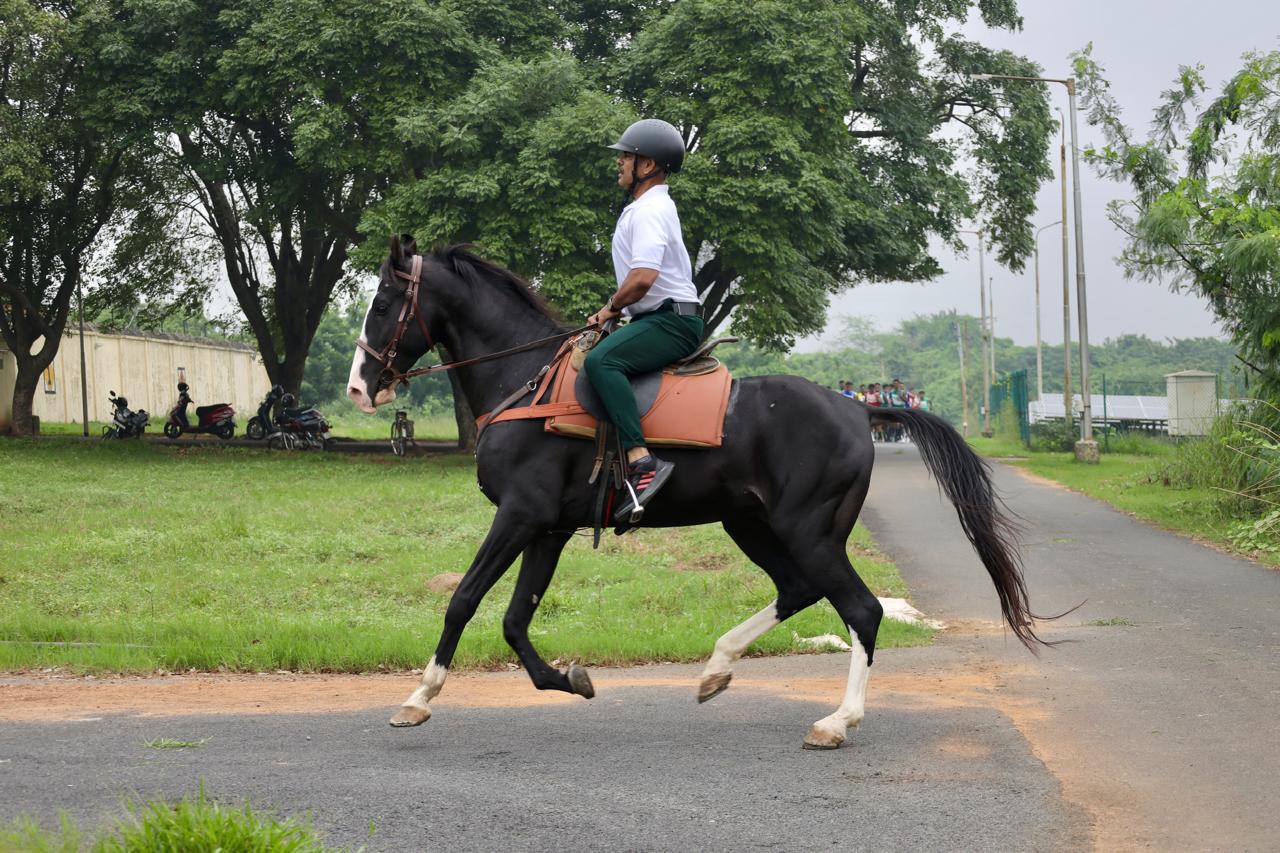




Is Horse Riding Safe for Children? Age, Safety & Benefits Explained
Horse riding often sparks curiosity and excitement in children. At the same time, it naturally raises important questions for parents — Is it safe? Is my child too young? What are the real benefits beyond fun? These concerns are valid, especially when the activity involves a large animal.
The truth is, horse riding can be very safe and highly beneficial for children when taught in a structured environment under professional supervision. Like swimming, cycling, or gymnastics, safety depends not on the activity itself, but on how it is taught, monitored, and practiced.
“Safety in horse riding is not about avoiding risk, but about learning responsibility.”
This guide explains the right age to start, essential safety practices, and the long-term physical and mental benefits horse riding offers children.
At What Age Can Children Start Horse Riding?
There is no single “perfect” age, but most children can begin horse riding once they are physically balanced, emotionally receptive, and able to follow instructions.
Ideal Starting Age for Kids
Many riding academies introduce children to horses as early as 6 to 8 years old through basic walking and trotting sessions. At this age, children develop balance quickly and adapt well to guided movement.
“Children don’t fear falling as much as adults — they learn faster when guided correctly.”
Emotional Readiness Matters More Than Age
A child’s ability to listen, stay calm, and respect instructions is more important than age alone. Children who enjoy animals and respond well to structure usually adapt smoothly to riding lessons.
Gradual Introduction Builds Confidence
Children are not placed directly into advanced riding. They begin with simple tasks like understanding horse behavior, mounting assistance, posture correction, and controlled movement. This gradual approach keeps fear and risk low.
How Safe Is Horse Riding for Children?
Horse riding has an excellent safety record when conducted professionally. Accidents usually occur only when basic rules are ignored or supervision is absent.
Professional Supervision Is Non-Negotiable
Children must always train under experienced instructors who understand both horse behavior and child psychology. Instructors control the horse, guide the child, and intervene immediately if needed.
“A calm instructor creates a calm rider.”
Trained Horses Make a Big Difference
Children are trained only on well-trained, calm, and temperament-tested horses. These horses are accustomed to beginner riders and respond gently to commands.
Safety Gear and Riding Discipline
Protective equipment such as helmets and proper footwear reduces risk significantly. Children are also taught how to approach, mount, and dismount safely — habits that stay with them for life.
Controlled Training Environment
Professional academies use enclosed riding areas and controlled session timings. Children are never rushed, and sessions are adjusted based on comfort and progress.
Benefits of Horse Riding for Children
Horse riding is not just a sport; it is a developmental activity that shapes both body and mind.
Physical Development and Coordination
Horse riding strengthens core muscles, improves posture, balance, and flexibility. Children constantly adjust their body movements, which enhances coordination naturally.
Confidence and Emotional Strength
Learning to ride a horse builds confidence in a unique way. Children overcome fear, develop courage, and feel proud of mastering a powerful animal.
“Confidence gained in the saddle often reflects in school and life.”
Discipline, Focus, and Responsibility
Horse riding teaches children patience, consistency, and responsibility. They learn that progress comes from regular practice and respectful behavior.
Improved Social and Communication Skills
Children learn to communicate clearly — both with instructors and with horses. This improves listening skills and emotional awareness.
Why Structured Training Matters for Child Safety?
Not all riding experiences are equal. Casual or unstructured riding increases risk, while professional training minimizes it.
Stage-Based Learning Prevents Overexposure
Children progress through stages such as walking and trotting only when they are ready. This prevents panic, loss of balance, and fear.
Child-Specific Instruction Techniques
Good instructors adapt teaching methods to suit children. Sessions are engaging, calm, and encouraging rather than strict or intimidating.
“A child learns best when they feel safe, not pressured.”
Respect for Horse Welfare
A well-managed academy ensures horses are not overworked. Healthy, calm horses create a safer learning environment for children.
Conclusion
Horse riding is safe for children when taught responsibly, patiently, and professionally. It offers unmatched benefits in physical fitness, emotional development, discipline, and confidence. More importantly, it teaches children respect — for animals, instructors, and themselves.
For parents seeking a meaningful activity that balances safety and growth, enrolling children in professional Horse Riding Classes in Chennai ensures proper guidance, structured learning, and a positive experience from the very first ride.
FAQs
Yes, horse riding is safe for children when conducted under trained instructors, using calm horses and proper safety equipment.
Most children can start between 6 and 8 years old, depending on physical balance and emotional readiness.
Yes, horse riding improves balance, confidence, discipline, focus, and emotional control in children.

Is Horse Riding a Good Workout?